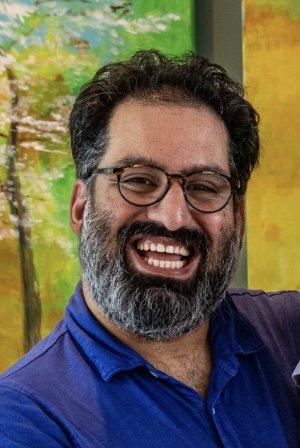
Imran Siddiqui, St. John’s member & Vice President of the Evangelical Lutheran Church in America (ELCA)
“I am a Lutheran because of the Lutheran tradition's emphasis on God's overwhelming grace. We stress that we cannot save ourselves based on what we do or do not do, but only because of God's love for us, expressed in God's grace. Nothing we do can ever separate us from the love of God.”
-
Sin is a complicated thing to talk about because it comes in many forms, through our actions and inactions. Sins can be individual as well as communal. In short, we believe sin is separation from God. It describes the harm, injustice, systemic oppression and evil that is done to people and the earth. All people, including Christians, fall short. It’s difficult to admit our sins, but we trust that God’s grace has the power to continually forgive us, heal us and free us to love others. This conveys God’s unconditional love for us.
There is no limit to God’s grace and forgiveness. Through Jesus Christ, God promises to forgive our sin. Though humans are capable of causing pain and suffering, with God there is always the possibility of healing and transformation. God’s love is unfathomable. When we confess our sins, we are assured of God’s forgiveness, and we respond to that grace by serving and loving our neighbor. Still, ultimately, the gift of grace is that — a gift from God’s infinite love. Our faith is how we receive and respond to this good news.
-
We believe God’s grace, God’s unfathomable love, is available to all people as a gift through Jesus Christ. All are welcome here with their whole selves, which includes one’s race, ethnic background, past wrongdoing, socioeconomic status, gender identity, sexual orientation, physical ability and legal status. Questions and doubts are welcome.
We believe that we are made right with God and with one another by grace alone (a free gift) in Jesus Christ and not by any action of our own.
Christians believe that God came to us in Jesus Christ, a true human, humble and vulnerable. Jesus lived among us and demonstrated the good news in all he was and did. The good news is the promise that God loves us and saves us by grace alone. This promise was realized when Jesus was crucified. He died on the cross but was raised again in the body and in a new wholeness. As a result, through the gift of grace received by faith, all people can be made whole in Christ and set free to love and serve all people, particularly the vulnerable, just as God loves us.
From the ELCA Website (www.elca.org)
-
Martin Luther, after whom the Lutheran branch of Christianity is named, once wrote, “Faith is a living, daring confidence in God’s grace, so sure and certain that you could stake your life on it one thousand times. … Through faith, a person will do good to everyone without coercion, willingly and happily; serving everyone, suffering everything for the love and praise of God, who has shown such grace.” Faith, then, is not about intellectually agreeing to a set of beliefs but about living in a trusting relationship with God in response to God’s grace. Faith is our confident hope that living in God’s promises sparks renewal to love and serve neighbors, as God in Christ loves us.
All types of people and families are welcome — seriously! We believe and teach that it doesn’t matter what your experience with religion has been or what kind of doubts or questions you might have about faith. You are welcome as you are.
Many ethnicities and cultures are represented here. Together we strive to be a church that celebrates diversity and that welcomes all people as they are. Come as you are to worship, learn, serve and grow in faith with others.
-
Lutherans believe that all people are imperfect and are saved (made right with God) by God’s grace and God’s grace alone, through Christ. There is no special prayer you need to pray, no special state of mind you need to achieve and no good deed you need to perform. We believe that through the life, death and resurrection of Jesus Christ, God became one of us and took upon himself the sin and suffering of all the world. God did this to demonstrate God’s love for us. We believe that we receive the gift of grace by faith alone on account of Christ. We live in the tension of still being sinful but trusting that we are forgiven and that God is at work in us. The gift of grace expresses God’s unconditional love, and in response to that love we are set free to live gratefully and lovingly.
An important date in the Lutheran tradition is Oct. 31, 1517, when a German monk named Martin Luther started a movement known as the Reformation. He insisted the Bible showed that salvation could not be earned or bought, which was contrary to church teachings at the time. Luther believed salvation was a gift and a sign of God’s never-ending love. The most influential documents for our church were written by him and other Lutheran reformers. These are compiled in the Book of Concord. Key writings there include the Augsburg Confession and Martin Luther’s Small Catechism. We don’t believe that you are born or are baptized Lutheran, but if you participate in the Lutheran tradition, you identify as a Lutheran Christian.
We believe it’s important to have relationships and understanding with other Christian faiths, and with other religious traditions and worldviews too. With other Christians we read the Bible, gather in congregations for worship services and affirm core Christian beliefs.
The ELCA has established “full communion” agreements with six Protestant denominations: the Presbyterian Church (U.S.A.), the Reformed Church in America, the United Church of Christ, the Moravian Church in America (Northern and Southern Provinces), The Episcopal Church and the United Methodist Church. These agreements mean that we share enough essential understanding to participate in common mission. We exchange clergy and encourage opportunities to work together toward justice and peace. We acknowledge that differences remain, but we can talk about these, learn from each other, challenge each other and just agree to disagree.
In our multireligious world, the ELCA is committed to working with people of other religions and worldviews toward mutual understanding and for the common good.
-
While Lutherans believe in the sacredness of all things, in our tradition there are two recognized / official sacraments - baptism and holy communion.
This understanding comes from Martin Luther’s own sacramental formula. For Luther in order for something to be a sacrament it needed three elements: a command from Scripture, a physical element, and a promise attached to them from Christ.
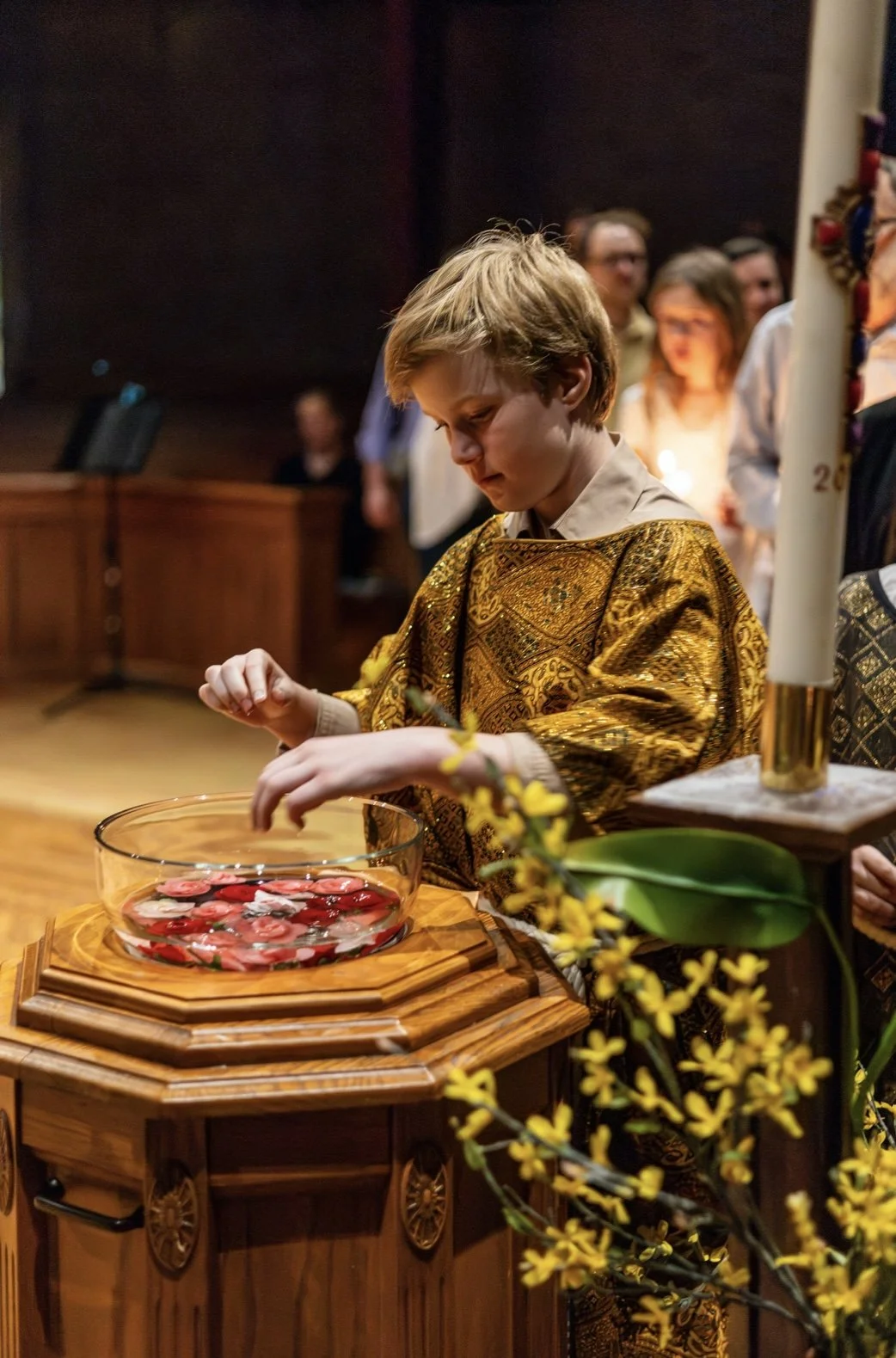
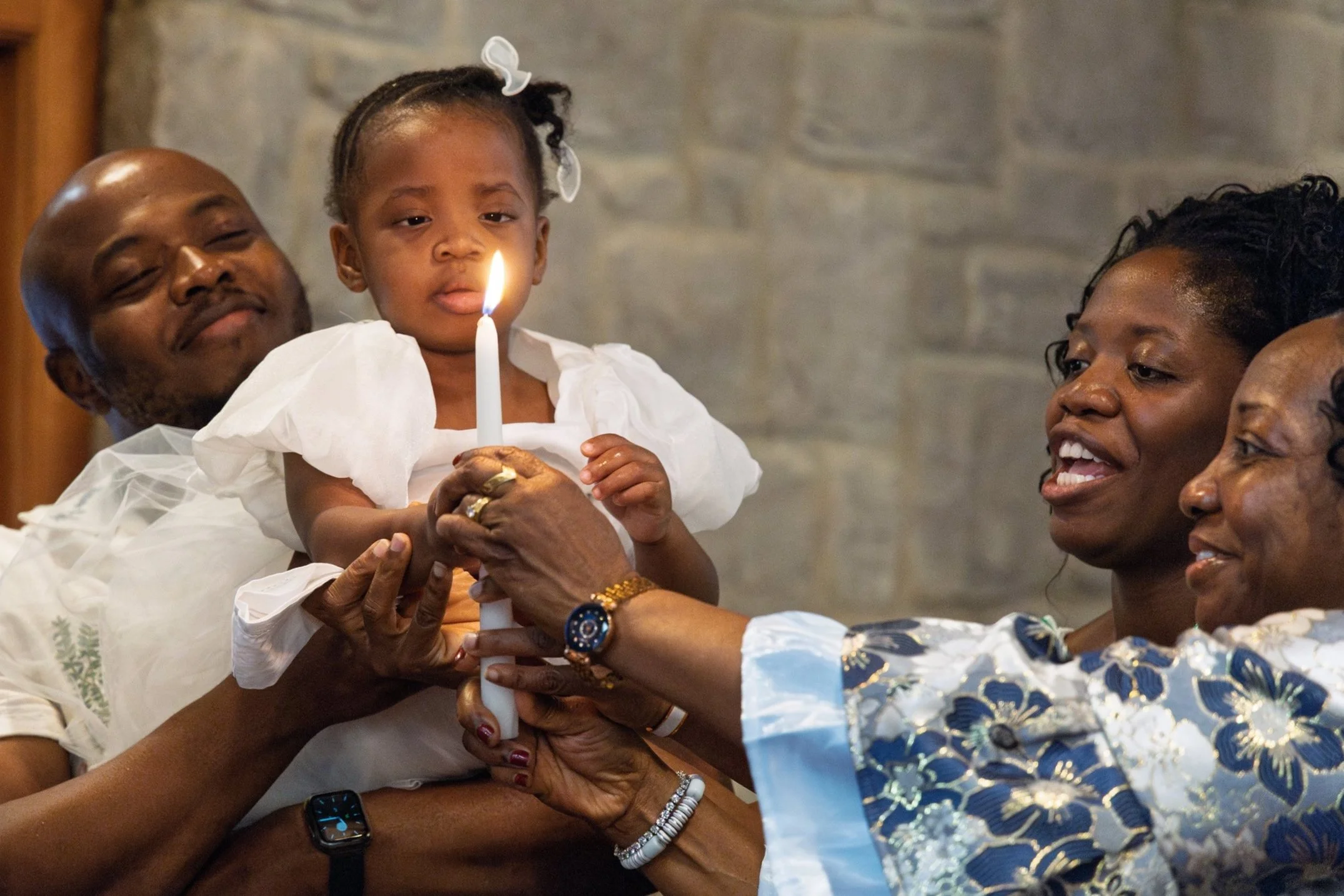
In baptism we find the command in Matthew 28:19 to “go and baptize in the name of the Father, the Son, and the Holy Spirit.” In addition to this command the physical element of water and Word is present and attached to it is the promise of the Holy Spirit and proclamation that this beloved is a child of God, saved by God’s grace.
Lutherans practice baptism for all ages, but invite families to baptize their infants, trusting in God’s grace and the gift of the Holy Spirit to dwell inside this infant as they grow in faith. Each baptism includes promises made by families, sponsors (god parents), and the assembly (those gathered) to teach this child / person about faith, support them in their spiritual journey, and to surround them with God’s love.
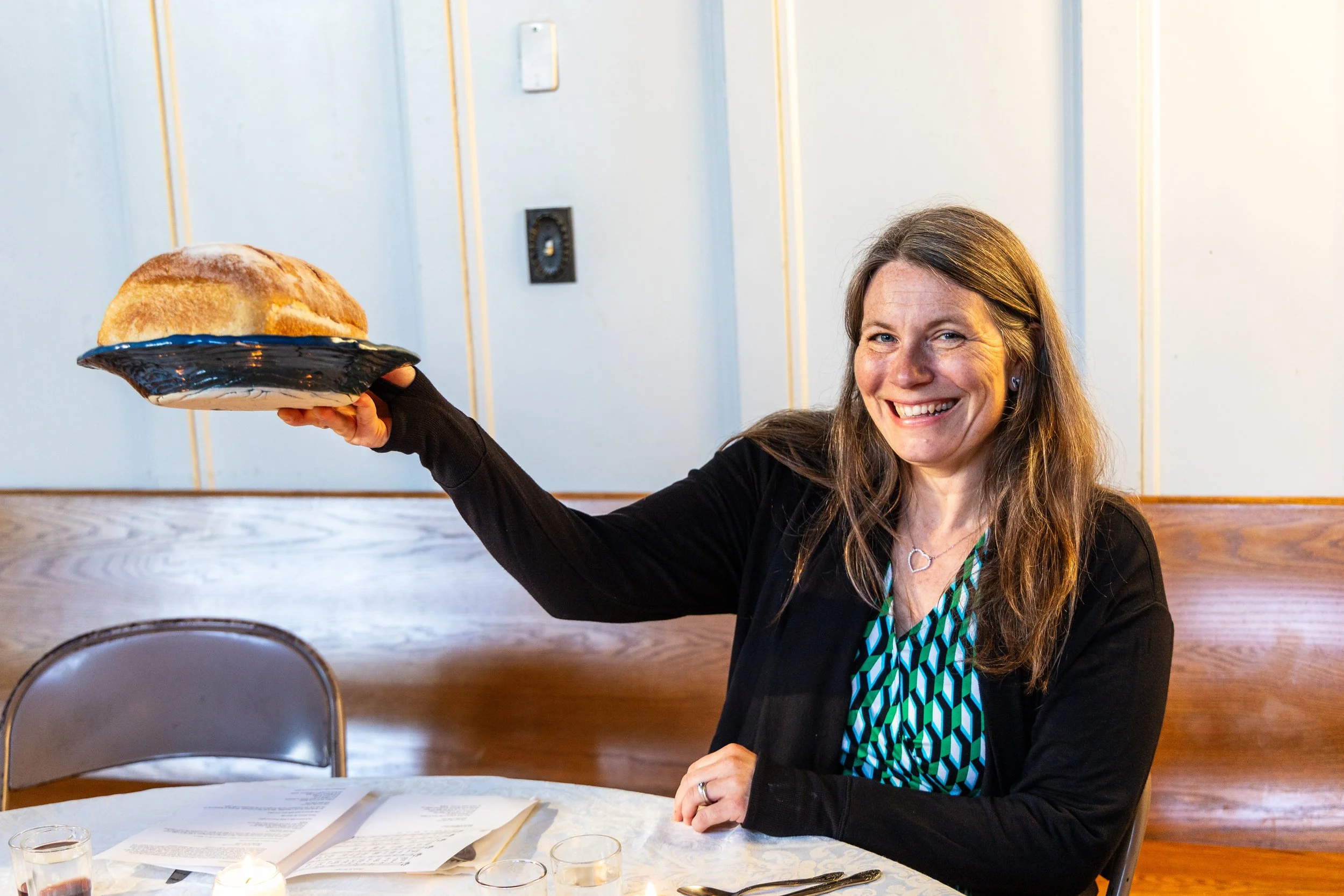
In Holy Communion, the command to “do this in remembrance of me” can be found in Luke 22 and 1 Corinthians 11. This command is accompanied by the elements of bread and wine with the promise that this meal of love is “for the forgiveness of sin.”
In many Lutheran Churches (ELCA) and here at St. John’s, the table is open to each and every person. You don’t have to be a member, you don’t have to have all the answers, you are invited to come as you are. We commune all ages and people, trusting in God’s promise and grace through the holy meal and God’s Word.
-
You might be surprised to learn that Christians today talk about heaven and hell much more than the Bible does. It is understandable to try and determine what will happen to us and our loved ones after death. What is heaven? Is hell real? Who is “in” and who is “out”? The answers to these questions are in God’s hands, not ours. Theologians have grappled with these questions for centuries and have arrived at various interpretations and insights. Many leaders in our church point out that we do not need to speculate about the afterlife. We do know that it is not our job to divide, sort or draw the lines by which we, or others, will be judged. We are free to focus on serving one another following Jesus’ example of abundance, justice and peace.
Suffering is part of the human experience — bad things happen. As we move through life, we encounter injustice, loss, fear and pain. It is a fact that humans make choices that cause each other troubles and sorrows. But there are also natural disasters and tragedies. The question of why bad things happen is honest and real. The ELCA doesn’t pretend to have easy answers, but God is with us through all of it. The resurrection of Jesus teaches us hope, and when we turn to God, we experience God’s grace in times of need.
Pastors, deacons and chaplains are prepared to walk with people and provide support in a time of loss and grief. At St. John's we strive to provide a place for worship and also for counsel. Our pastor can meet with you in your home, hospital and other care facility, or for coffee to offer prayer, guidance and insight. Familiar with the processes of medical institutions and funerals, they are available at times of illness, trauma and death.
-
We believe that each person is beloved and created in God’s image. In the book of Genesis God says that humankind, in fact, all of creation, is “good.” Therefore we believe that people who identify as members of the LGBTQIA+ community are created in and bear the image of God, just as they are, no strings attached!
At St. John’s, we not only welcome all people, but we affirm and value the voices, image, and perspectives they bring to worship, leadership, and faith!
As our Bishop, the Rev. Dr. Kevin Strickland reminds us, “years of theological discernment, prayer, and faithful conversation informs the ELCA’s affirmation of persons in the LGBTQIA+ community, including that same-gendered couples, who embody the love, commitment, and covenant that Christian marriage represents. We affirm this, not in defiance of our beliefs, but in fidelity to them.”
St. John’s is a Reconciling in Christ (RIC) congregation that offers:
Authentic community
Affirmation of identity & relationships
Support through transitions
Celebration of relationships, names, and more
-
Rooted in the Reformation and the church’s commitment to share the good news of God’s love in Christ Jesus, the Evangelical Lutheran Church in America (ELCA) uses the term in a way that is invitational.
While the term "evangelical" has taken on different connotations in contemporary American discourse, particularly associated with conservative Christianity, the ELCA's use reflects a historical and theological foundation, aiming to share the gospel message, inviting others to trust God’s love for them and join in God’s work within and around us.
You can read more about this topic as it relates to the ELCA through the viewpoint of our current bishop, Kevin Strickland at the link below:
-
Each person is created in God’s image, and following the example of Jesus, we’re called to show love and compassion for all people and creation. By working for healing, peace and justice in the world, we seek to uphold human rights and dignity.
We use our voices and actions to demonstrate God’s love. This takes place through everyday actions of members, such as being an active citizen or helping in a food pantry. It also takes place through our church’s advocacy work and ministries such as ELCA World Hungerand Lutheran Disaster Response. We join with Lutherans around the world in service work and justice through the Lutheran World Federation, our global communion of churches.
In these and many other ways, our church strives to put its faith into action to work for the common good. Or as we say, “God’s work. Our hands.”
-
Martin Luther (b. November 10, 1483, in Eisleben, Germany, d. February 18, 1546 in Eisleben) is known as the Father of Protestantism. He had studied to become a lawyer before becoming an Augustinian monk in 1505, and was ordained a priest in 1507. While continuing his studies in pursuit of a Doctor of Theology degree, he discovered significant differences between what he read in the Bible and the theology and practices of the church. On October 31, 1517, he posted a challenge on the church door at Wittenberg University to debate 95 theological issues. Luther's hope was that the church would reform its practice and preaching to be more consistent with the Word of God as contained in the Bible.
What started as an academic debate escalated to a religious war, fueled by fiery temperaments and violent language on both sides. As a result, there was not a reformation of the church but a separation. "Lutheran" was a name applied to Luther and his followers as an insult but adopted as a badge of honor by them instead.
What do Lutherans believe about …
All people are welcome at St. John’s Lutheran Church! We welcome people into our membership through baptism (for those who’ve never been baptized) or through transfer of membership from another Christian church or denomination. If you are interested in learning more about membership at St. John’s or wish to join, please click the button below and fill out the form. Pastor Jennifer will reach out to you soon!
Membership at St. John’s Lutheran